How to Set Your Prices on Fansly: A Complete Guide
A practical guide to pricing on Fansly: typical subscription and paid-message ranges, tips for beginners and example pricing strategies.

Important. Platform terms change. Before signing up, check the current rules, fees and payout availability for your country.
Fansly is a platform for monetizing your content, and the key to success is the right price for access to it. This guide covers typical price ranges, recommendations for new creators and a comparison of strategies used by other creators, so you can choose the best approach.
When setting prices, it is important to understand your audience, the level of competition and the value of the content you publish.
Pricing on Fansly is a balance between being affordable for subscribers and fairly compensating your work. A price that is too low can devalue your effort, and one that is too high can scare off potential subscribers.
Typical content prices on Fansly
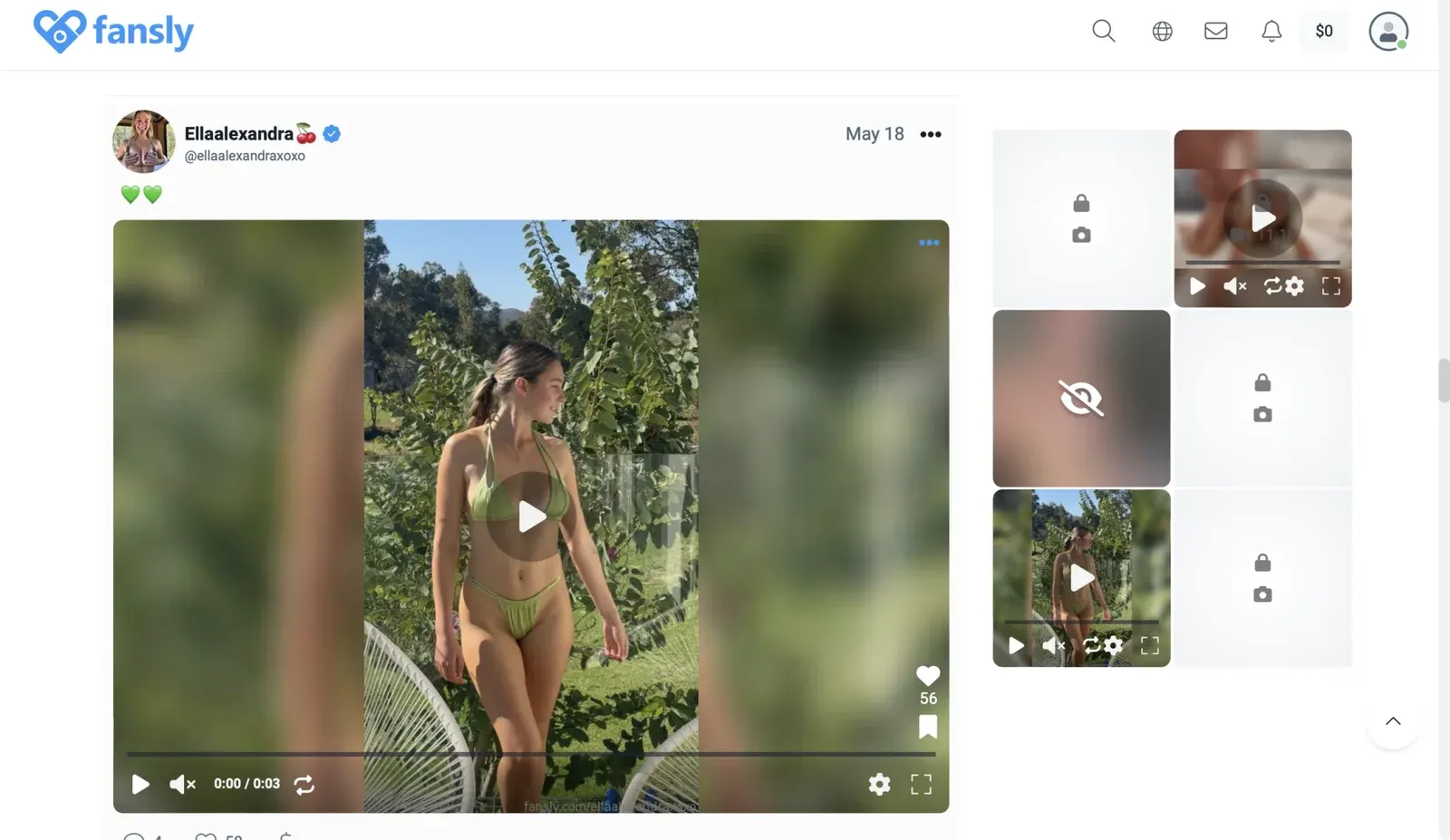
These are some popular pricing strategies on Fansly.
Subscription price
- Low: $5–$10 a month. A good price for starting out and quickly building an audience. Subscribers get exclusive content at an affordable price.
- Medium: $10–$20 a month. This range suits creators who already have a subscriber base and a good amount of quality content.
- High: $20 a month and above. This range suits creators with a loyal base of subscribers who are willing to pay more for exclusive content, frequent updates and personal interaction.
Paid posts and messages
Besides the subscription fee, creators can earn by selling individual posts or private messages. Prices vary:
- Low: $3–$10 per post or message. This suits short videos, photos or text messages.
- Medium: $10–$30 per post or message. At this price you can sell longer videos and access to photo albums.
- High: $30 and above per post or message. These can be exclusive videos, custom requests or unique content.
Recommendations for new creators
Analyze your competitors
Before setting prices, study the profiles of other creators with similar content. Look at their prices, number of followers and how engaged their audience is. This shows which prices are competitive.
Assess your own content
Decide what makes your content unique. It might be update frequency, shooting quality, unusual themes or personal interaction with subscribers. Weigh the effort and time you spend creating content to understand its true value.
Test your prices
Start with a lower price and raise it gradually as your subscriber base grows and your content improves. This lets you see how the audience reacts to changes and find the best level.
Ask subscribers for feedback
Talk to your subscribers regularly and ask what they think about your prices and content. It helps you understand their expectations and adjust prices accordingly.
Pricing strategies
To understand the market, it helps to compare the prices of other creators. Here are examples of pricing strategies.
A popular creator with varied content
- Subscription: $15 a month.
- Paid posts: $5–$20 depending on the content.
- Custom requests: $50 and above for an exclusive video.
A new creator with a narrow niche
- Subscription: $7 a month.
- Paid posts: $3–$10.
- Custom requests: $25–$40 for specialized content.
A mid-level creator with an active subscriber base
- Subscription: $10 a month.
- Paid posts: $7–$15.
- Custom requests: $35–$60.
Pricing is an important parameter and needs careful analysis and a strategic approach. Typical ranges, tips for beginners and a comparison with other creators help you find the best strategy, attract subscribers and earn a fair return on your work. The key is flexibility and a readiness to adapt to a changing market and to what your audience expects.
Platforms in this guide
- FanslyA leading OnlyFans alternative with tiered subscriptions
Frequently asked questions
How do I know if my prices are too high?
If subscribers leave or sales drop, your prices may be too high.
How do I know if my prices are too low?
If you have many subscribers but your income is lower than expected, it may be time to raise prices.
How can I get feedback on prices from subscribers?
Ask them about their preferences and expectations, then adjust your prices based on what you hear.
What should I do if my content does not sell?
Review the quality of your content, reconsider your prices and improve how you interact with subscribers.
How do I price custom requests?
Consider the time and effort needed to create the content and price it according to how unique and complex it is.
Should I offer discounts on subscriptions?
Discounts can attract new subscribers and encourage renewals, especially during promotions or holidays.