How to Top Up Fansly: Payment Options and Virtual Card Services
How to fund your Fansly account when your own bank card is declined: a foreign card or a virtual card service, with fees and pros and cons.

Important. Platform terms change. Before signing up, check the current rules, fees and payout availability for your country.
OnlyFans is the best-known platform for selling content, but Fansly is close behind as a similar service that helps creators earn from photo and video content. Subscribers and tippers need a working payment method to pay on it. In some countries bank cards are restricted for foreign online payments, so this guide covers the practical ways to fund payments on Fansly.
Ways to pay on Fansly
If your bank card is accepted by international merchants, you can simply use it. If it is declined, there are two common workarounds: a card issued by a foreign bank, or a virtual card from a dedicated service. Before you pay, make sure the method you choose works in your country and check the fees in the service dashboard.
Paying with a foreign bank card
This is the simplest option. Add the card to your account, enter the required details and choose the amount. Payments are protected by standard security protocols.
Paying with a virtual card
A virtual card works like a regular bank card but has no physical form: you cannot swipe it at a terminal or use it in an ATM. It appears in your account with its own card details. Virtual cards are ordered through specialized services. Review the main options below.
EPN.NET
Website: epn.net
EPN is a US-based intermediary platform suitable for both individuals who shop online and affiliate marketers. Its cards connect easily to TikTok Ads, Pinterest, Google Ads, Facebook Ads and many other services.
Visa and Mastercard virtual cards are issued free of charge with a minimum deposit of $100; otherwise the cost is $2.50. The cards work in Europe and the US, and payment declines are rare.
Pros:
- one-click registration;
- personal data protection;
- 24/7 support;
- unlimited card issuance;
- unlimited top-ups and spending.
Cons:
- account top-ups in the dashboard are crypto only;
- fees are higher than many competitors.
Pyypl
Website: pyypl.com
Pyypl offers a Mastercard virtual card that you can get in a few clicks and use for foreign purchases and international transfers. Opening an account is free, and monthly maintenance is free if you make at least one transaction a month. Crypto top-ups carry no fee; topping up with a foreign debit card costs $0.30 + 3%.
Pros:
- cashback with selected partners;
- you can freeze or unfreeze the card in one click;
- accepted worldwide;
- top up by debit card, bank transfer or partner services;
- iOS and Android apps.
Cons:
- identity verification with a passport or other ID is required;
- the fintech is based in the Middle East, which may be inconvenient if you ever need to visit in person.
PST.NET
Website: pst.net
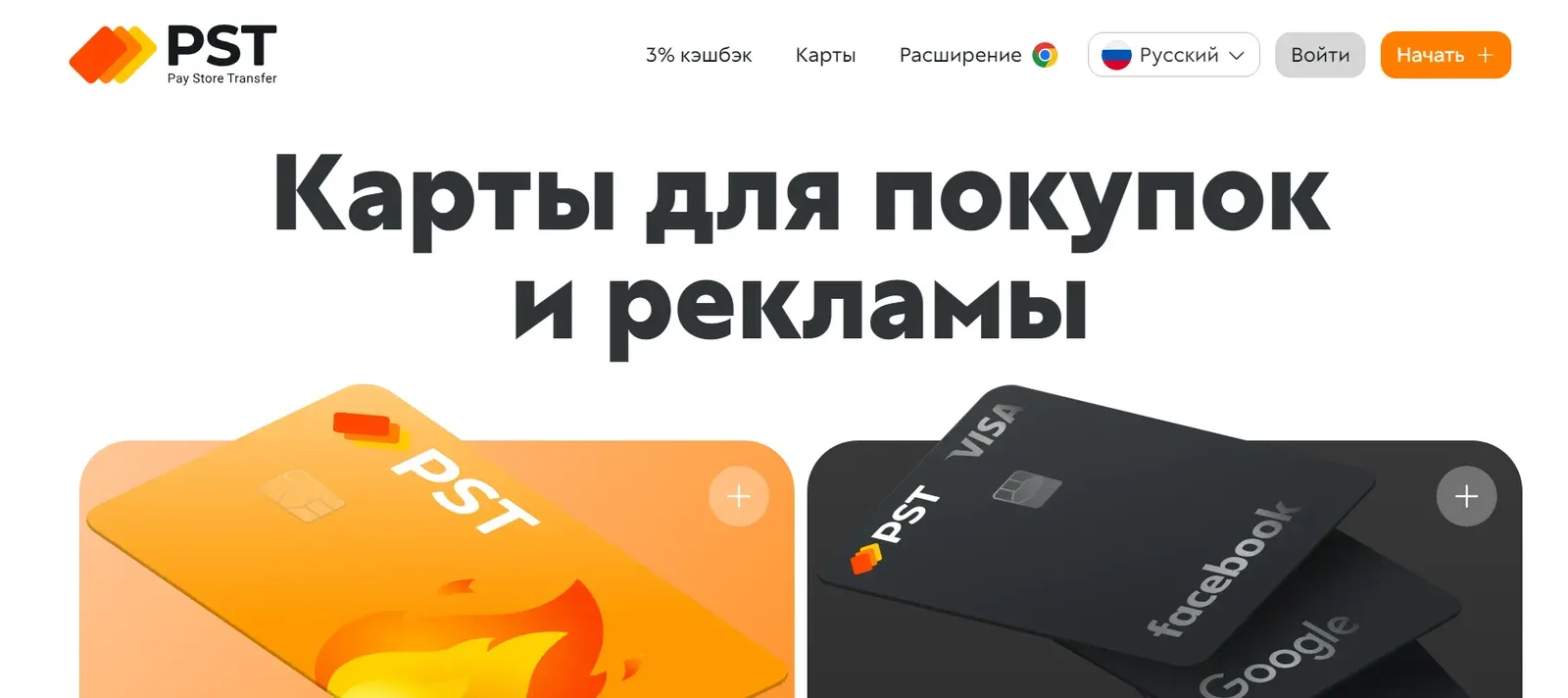
PST.NET issues virtual cards with exclusive US bank BINs. It offers several free cards and low fees, with transaction commissions from 2% and a 3% referral cashback. It operates worldwide. Top-up methods are USDT, BTC and wire transfer, and the first card can be issued anonymously.
To order, register with an email, password and Telegram username, or sign in with a Google account. KYC (a photo of your passport or other ID) is required. 3D Secure is supported.
Pros:
- cards are issued and topped up instantly;
- personal and financial data protection;
- several plans to choose from.
Cons:
- support has limited working hours.
Capitalist
Website: capitalist.net
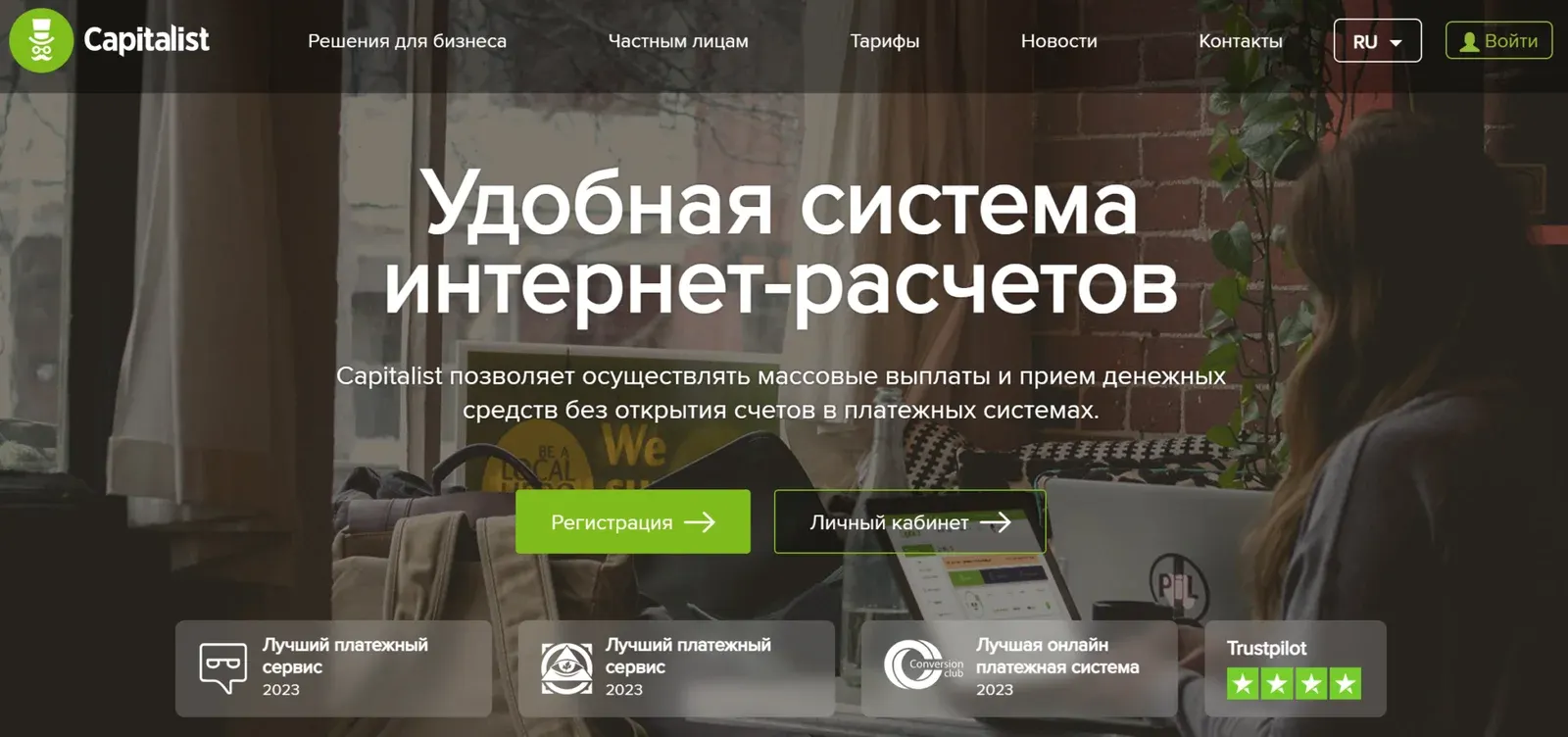
Capitalist was founded in 2014 and is registered in the British Virgin Islands. It suits affiliate programs and marketers, but is just as convenient for ordinary users, with a marketplace and modest fees. Registration is required. You start as an anonymous client and need to pass verification to get a virtual card.
Pros:
- strong security settings;
- several ways to top up;
- works with both fiat currencies and crypto;
- one balance in a multi-currency wallet.
Flex.Card
Website: flexcard.cards

A service of virtual cards for paying on platforms such as Fansly, with a personal account and Telegram support. The cheapest card costs €2 and the minimum top-up fee is 3%. You can order an unlimited number of cards for yourself.
Pros:
- no top-up limits;
- crypto can be used;
- intuitive interface;
- cards work well with popular social networks;
- low top-up fee;
- free maintenance.
Wanttopay
Website: wanttopay.net
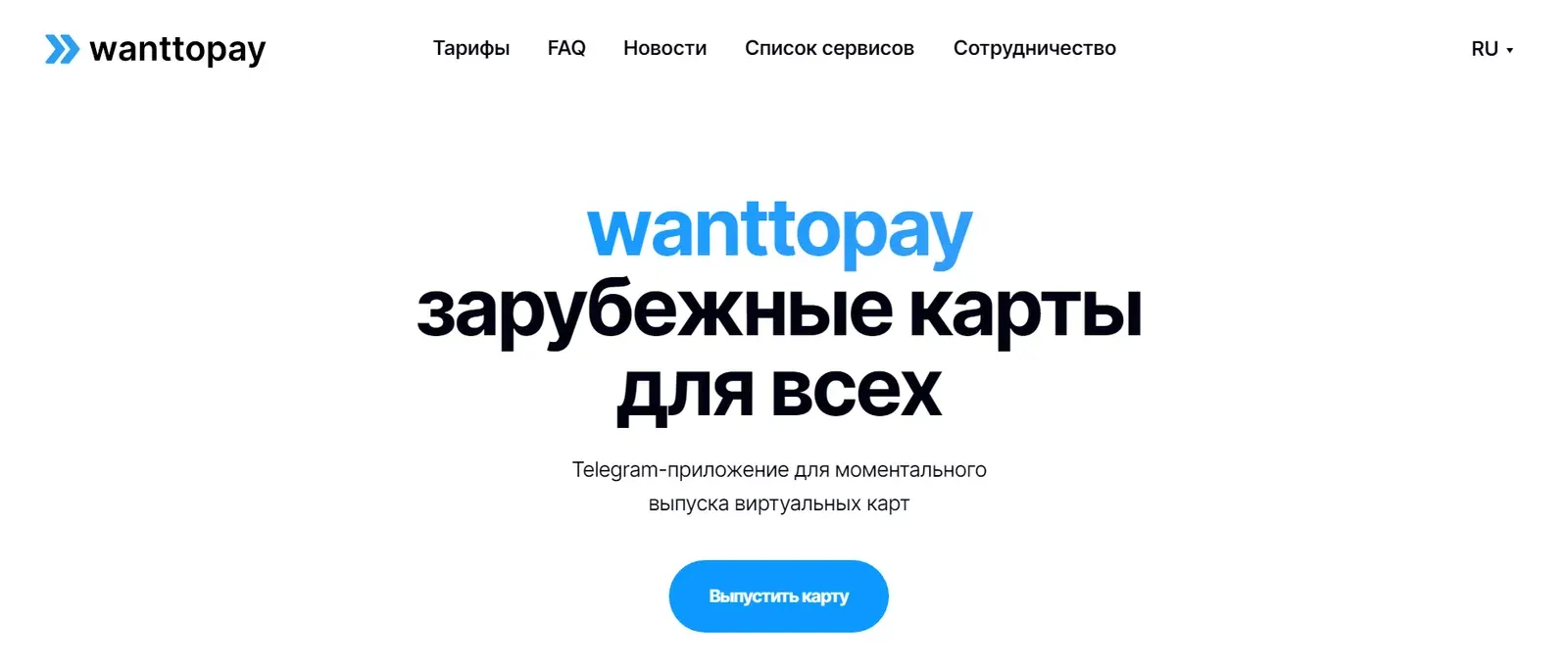
A highly rated automated service that issues standard Visa or Mastercard cards as well as a gift-card format. Support is available through a chatbot, and the referral program pays up to 30% of profit from each referral.
Pros:
- 3D Secure support;
- fast crediting of funds;
- individual approach to clients.
Cons:
- some users complain about poor access to support.
How to choose a service
- Compare the top-up fee and the card price, not only the headline commission.
- Check which top-up methods are available in your country (card, bank transfer, crypto).
- See whether the service requires KYC and how long verification takes.
- Test with a small amount first and confirm the payment goes through on Fansly.
- Keep the card details and your account access private.
Platforms in this guide
- FanslyA leading OnlyFans alternative with tiered subscriptions
- CapitalistMulti-currency wallet with cards and mass payouts
Frequently asked questions
Can I pay for Fansly with a virtual card?
Yes. Virtual cards from specialized services can be used for online payments on Fansly, as long as the card supports international transactions and your balance covers the amount.
How much do virtual card services charge?
Fees vary by service: for example, PST.NET lists commissions from 2%, Flex.Card from 3% on top-ups and Pyypl $0.30 + 3% for foreign debit card top-ups. Check the current fees in the dashboard before you pay.
Do I need to verify my identity to get a virtual card?
Often yes. PST.NET, Capitalist and Pyypl require KYC with an ID document, while some services let you issue a first card without it.
What is 3D Secure and why does it matter?
3D Secure is an extra confirmation step for online card payments. Services such as PST.NET and Wanttopay support it, which reduces the chance of declined or fraudulent payments.
Do virtual card services have referral programs?
Some do. PST.NET offers 3% referral cashback and Wanttopay pays up to 30% of profit from each referral.